The History of Scams
From cavemen trading painted rocks to AI deepfakes stealing identities — scams have always been with us. Learn the patterns, spot the tricks, protect yourself.
Scams Through the Ages
The con artist is the world's second-oldest profession. Every era has its own version of the same trick.
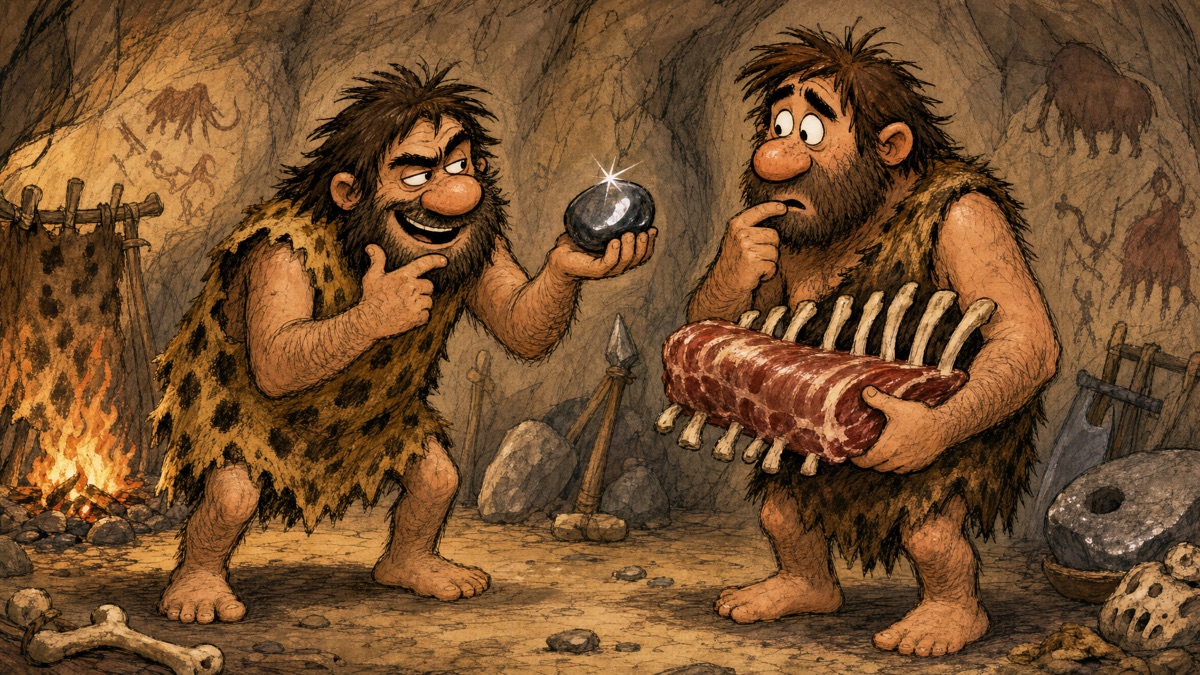 🏛 50,000 BCE — The Caveman Era
 The Barter Deception
The very first scam: painting ordinary stones to look like valuable gems, or hiding rotten meat inside fresh-looking bundles. One caveman traded "magic" rocks for real food. Trust was broken before money was even invented.
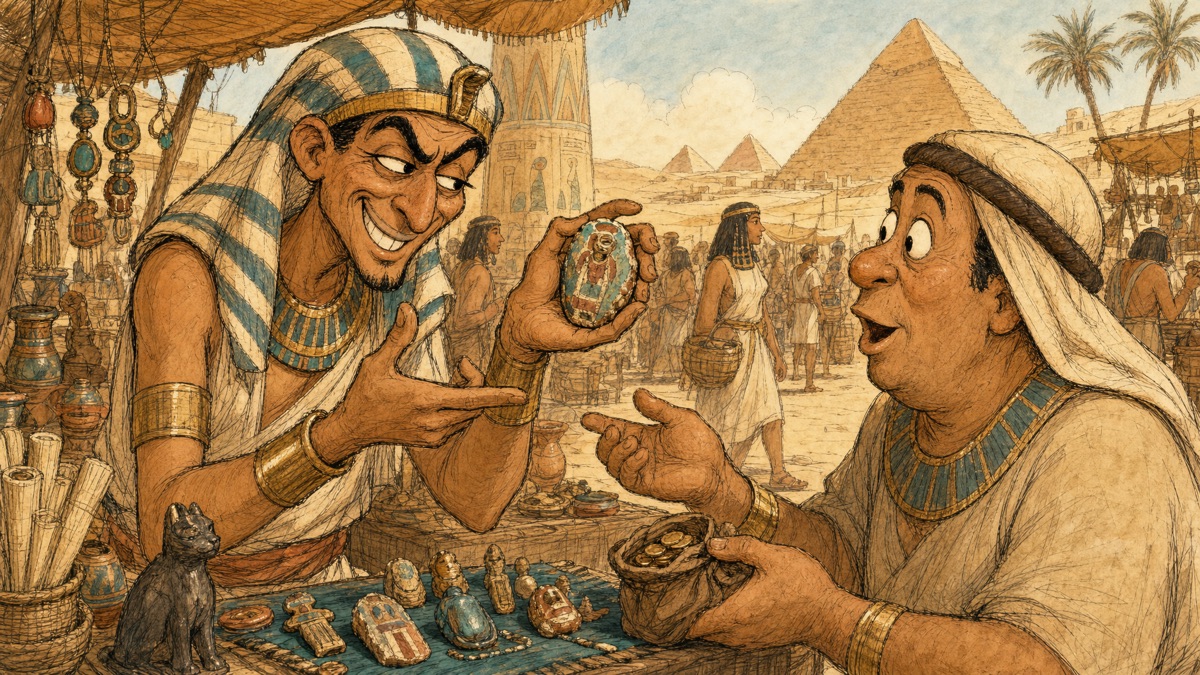 🏺 3000 BCE — Ancient Egypt
 The Fake Charm Trade
Market vendors sold "magical" amulets and cursed scrolls to ordinary citizens, promising protection from the gods. The amulets were cheap clay painted gold — the original "snake oil" of the ancient world.
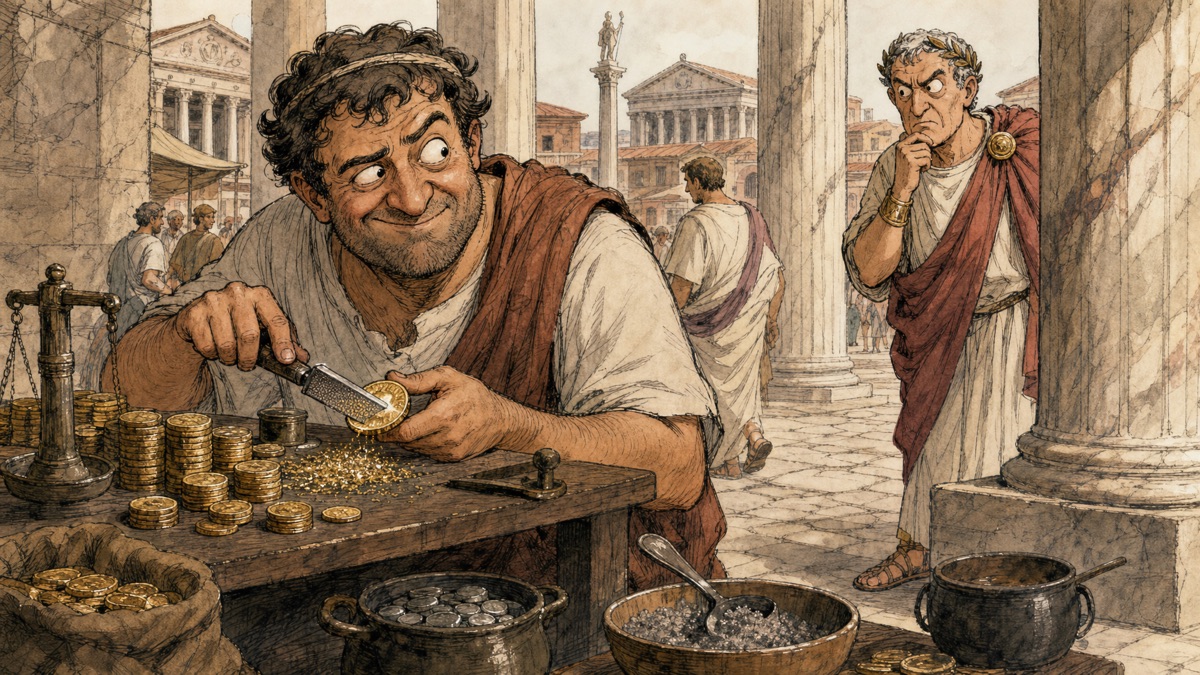 ⚔️ 100 CE — The Roman Empire
 Coin Clipping & Debasement
Roman merchants shaved gold off coins and mixed cheap metals in — the original inflation scam. Emperors themselves debased currency by reducing silver content. Gladiator betting rings were rigged. The Roman forum was a marketplace of deception.
 ⛪ 1100-1500 CE — The Middle Ages
 Selling Forgiveness
Corrupt friars sold "indulgences" — pieces of paper claiming to forgive sins — to frightened peasants. Snake oil salesmen traveled village to village with miracle cures that were just colored water. Fear was the weapon then, just as it is now.
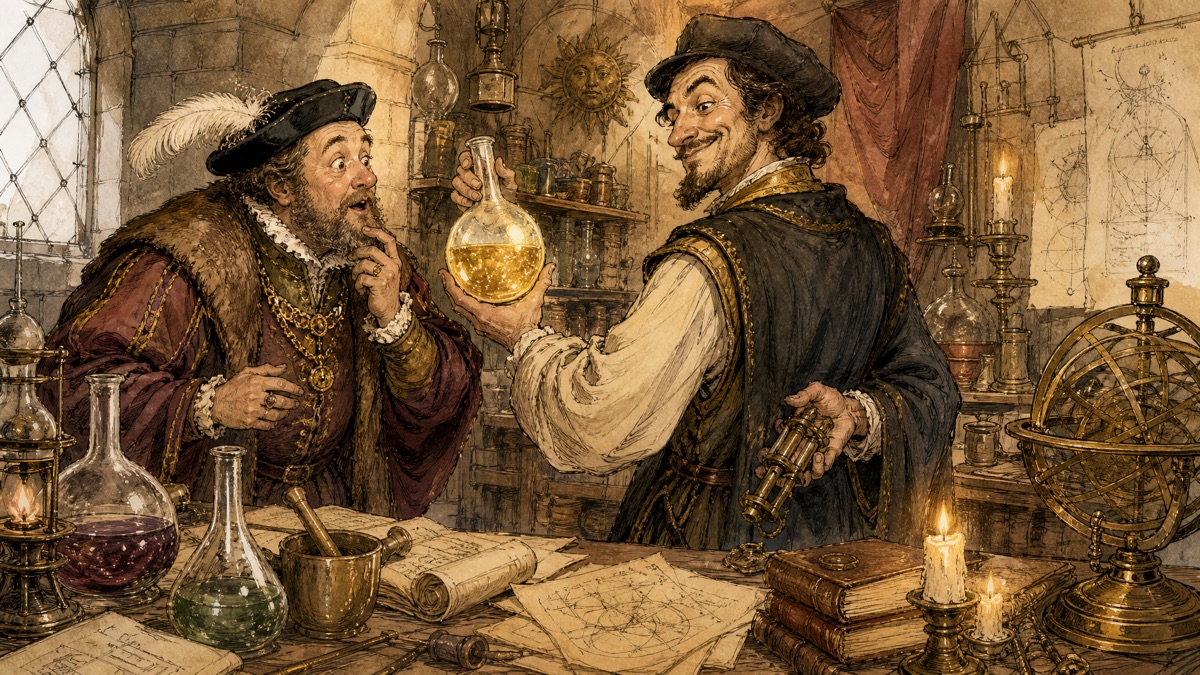 🎨 1400-1600 CE — The Renaissance
 The Alchemist's Trick
"Alchemists" convinced wealthy merchants they could turn lead into gold — for a small investment, of course. They used trick flasks, hidden compartments, and sleight of hand. The modern startup scam was born: promise transformation, take the money, disappear.
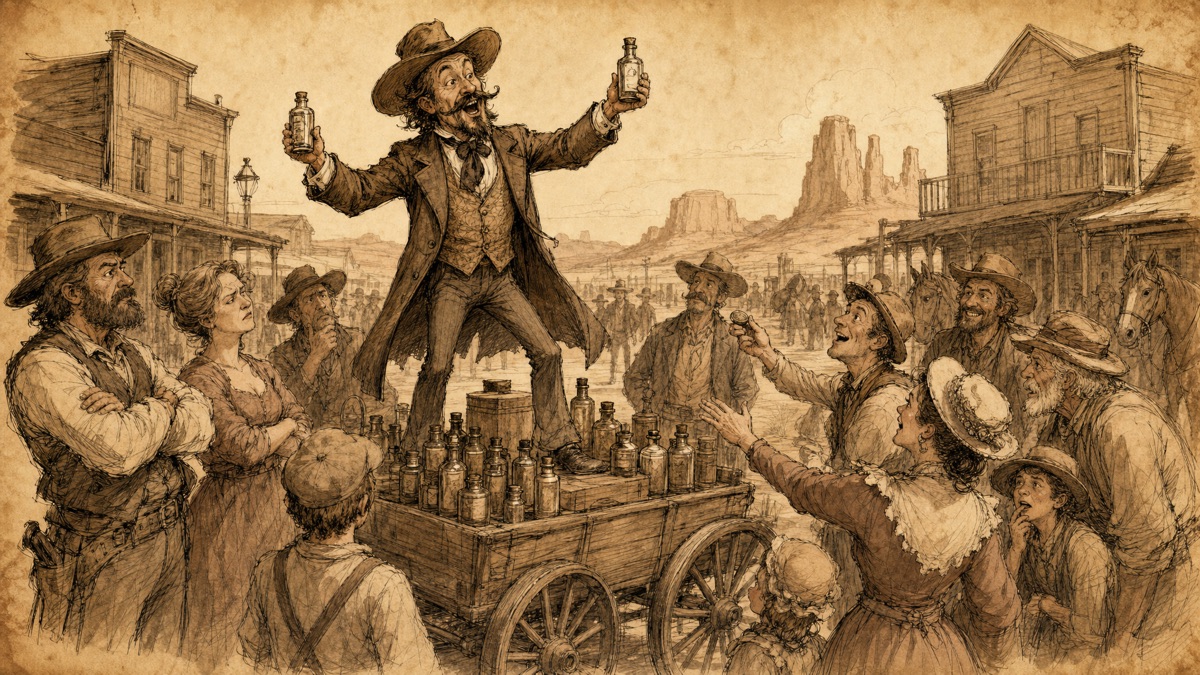 🤠 1800s — The Wild West
 The Snake Oil Salesman
The iconic scam: traveling "doctors" selling miracle cure-alls from wagons. The original snake oil was literally snake fat, but the bottles held everything from opium to turpentine. Patent medicines killed thousands while making their sellers rich. The term "snake oil" was born here.
 💰 1920s — The Jazz Age
 The Ponzi Scheme Is Born
Charles Ponzi promised 50% returns in 45 days through international postage coupons. In reality, he paid early investors with new investors' money — the classic pyramid. He took in $20 million (equivalent to $250M today) before it collapsed. His name became forever synonymous with the scheme.
 📞 1960s-80s — The Phone Age
 The Telephone Confidence Game
Con artists used rotary phones to reach into homes across America. "You've won a prize!" calls, fake charity drives, sweepstakes fraud targeting the elderly — the telephone became the scammer's new wagon. The FTC estimated phone scams cost Americans $40 billion by the 1980s.
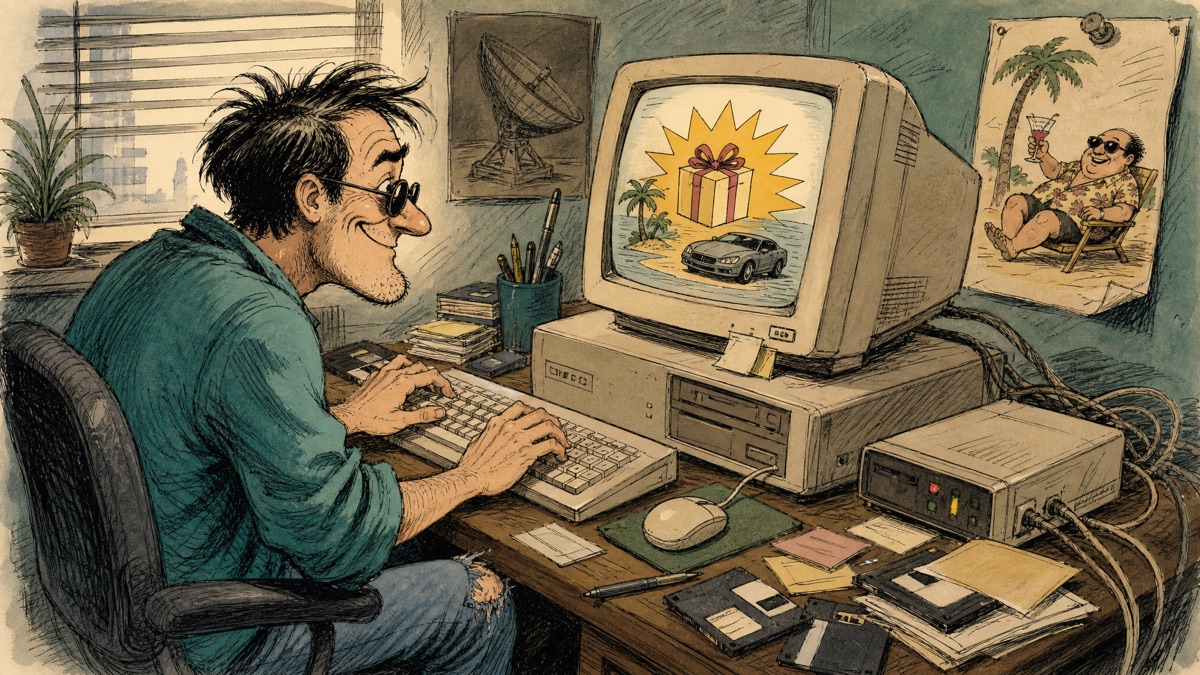 📧 1990s — The Internet Arrives
 The Nigerian Prince & Early Email Scams
The internet gave scammers global reach. The "Nigerian Prince" email became the most famous scam in history — "I am a prince and I need your help transferring $10 million." Millions fell for it. Advance-fee fraud, lottery scams, and identity theft went digital. The scammer no longer needed to be in the same country.
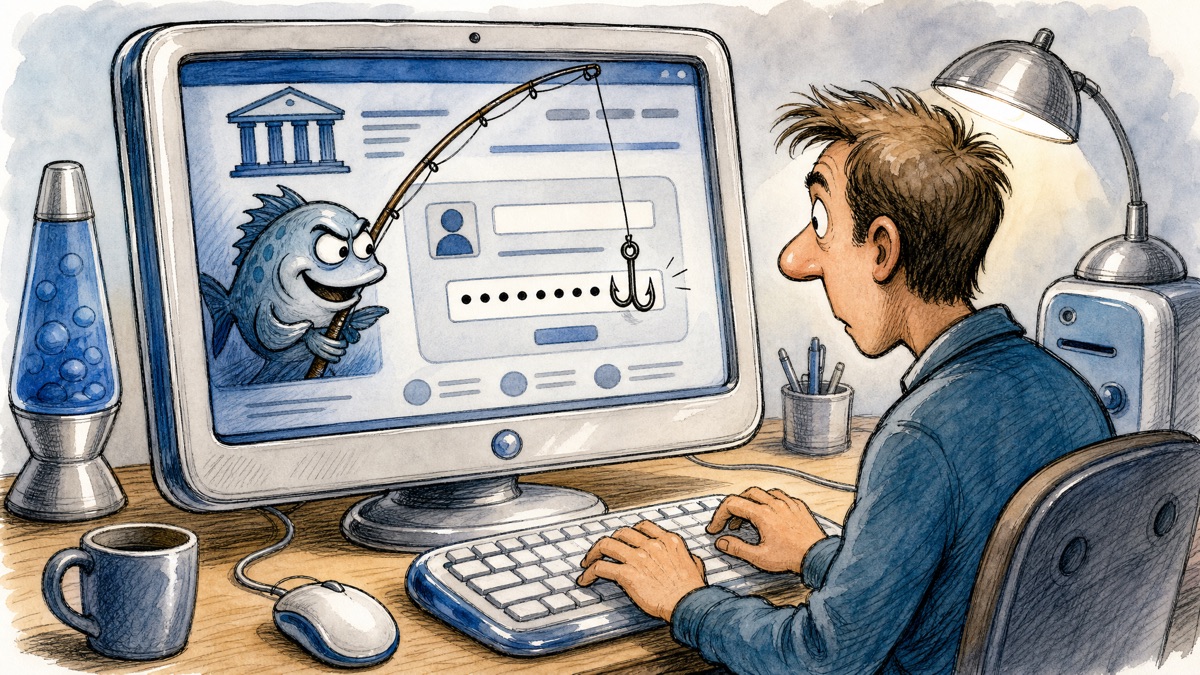 🎣 2000s — The Phishing Era
 Phishing: Stealing Identities
Scammers created fake bank websites, PayPal login pages, and eBay seller accounts to steal passwords and credit cards. The term "phishing" was coined — casting a hook into the internet ocean. Data breaches exposed millions. Identity theft became the fastest-growing crime in America.
 💔 2010s — Social Media & Romance Scams
 The Romance Scam Epidemic
Social media gave scammers a new weapon: fake profiles built over weeks or months of "relationship building." Romance scams cost Americans $1.3 billion in 2022 alone. Crypto pump-and-dumps, influencer fraud, fake businesses — the scammer now had your photos, friends, and trust network.
 🤖 2020s — Crypto Rugpulls & AI Deepfakes
 The Scam Gets Supercharged
Crypto rugpulls stole $2.8 billion in 2022. AI deepfakes now clone voices and faces in real-time — scammers call parents pretending to be their kidnapped children. AI-generated videos impersonate CEOs. The same patterns that started in caveman caves now run at the speed of light.
The tools change. The trick doesn't.
The Pattern Never Changes
From painted rocks to AI deepfakes, every scam follows the same 3 steps:
Build Trust
The caveman acted friendly. The "prince" sounds desperate. The romantic profile seems perfect.
Trust is the hook.
Create Urgency
"Act now!" "This offer expires!" "Your account is compromised!"
Urgency overrides thinking.
Take Your Money
The con artist disappears. The "investment" vanishes. The romance ends.
The ending is always the same.
5 Rules That Never Fail
Slow Down
Scams thrive on urgency. Take a breath.
Verify Independently
Don't use the contact info they give you.
Talk to Someone
Scammers isolate. A second opinion saves money.
If It Sounds Too Good
It is. Every time.
Never Pay for a "Free" Prize
Real prizes don't cost money.
🛡️ Want to Learn More?
Join our free Senior Cyber Safety Workshop — no tech jargon, no computer needed, just honest information from people who care.